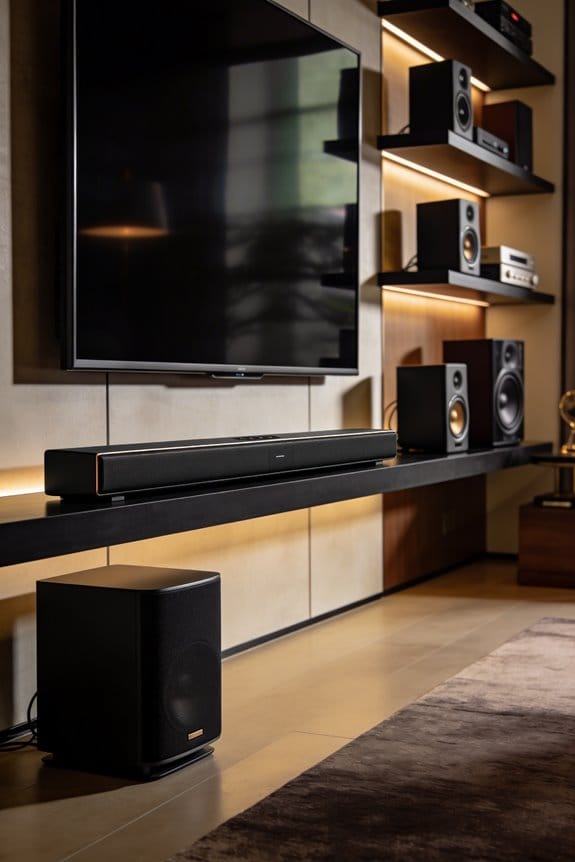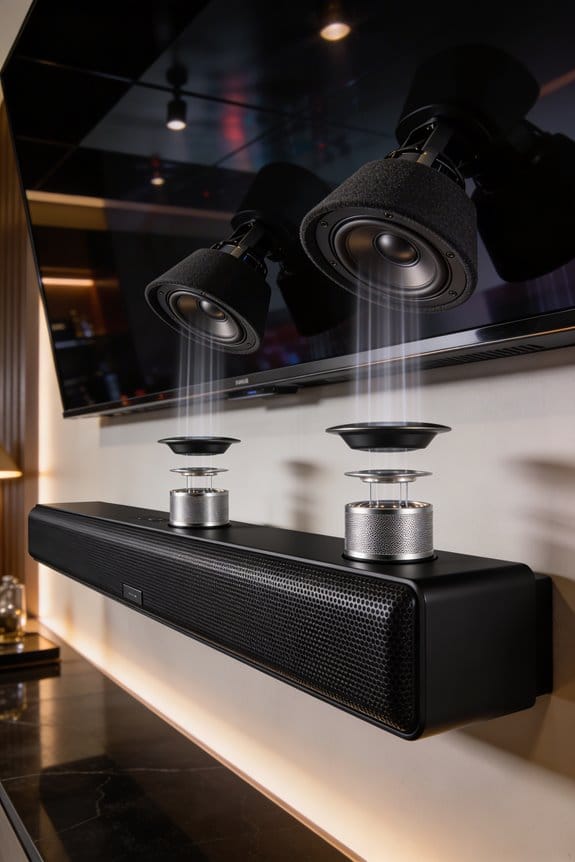
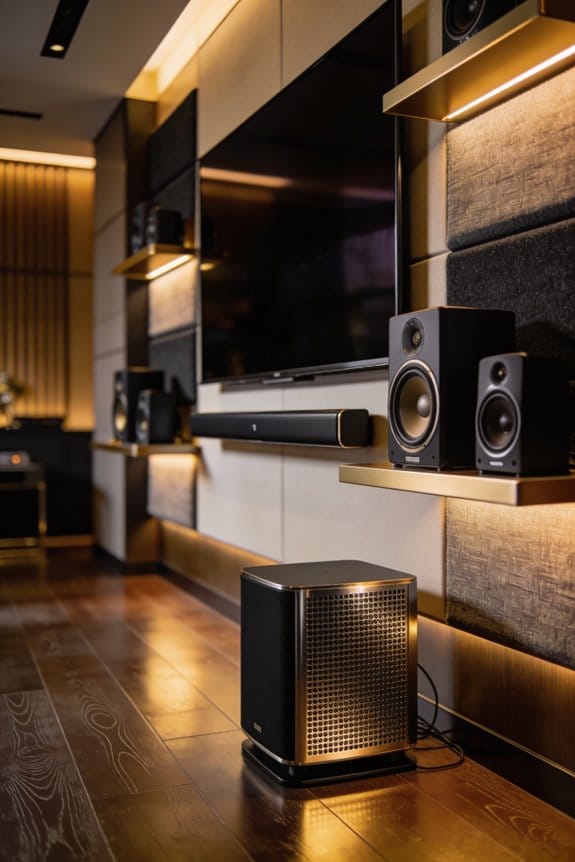

When you remaster a classic film for Dolby Atmos, I’m converting the original mono or stereo soundtrack into 128 discrete audio objects that can be positioned anywhere in a three-dimensional space around you, including overhead. This process involves isolating dialogue, music, and sound effects from the original recordings, then assigning each element to specific speaker locations across up to 64 unique outputs. The technology also restores low-end frequencies that were limited by vintage recording equipment, adding depth through subwoofer management. Below, I’ll show you exactly how engineers accomplish this transformation.
Key Takeaways
- Dolby Atmos uses 128 audio tracks and 64 speaker outputs to create three-dimensional sound placement from multiple directions including overhead.
- Mono and stereo recordings are isolated into discrete sound objects, assigning dialogue, music, and effects to dedicated tracks for enhanced clarity.
- Remastering restores low-end frequencies lost due to original technological limitations, with subwoofers providing crucial bass management and tonal balance.
- Engineers balance enhancing original audio with filmmaker intent, amplifying existing sounds without introducing unnecessary elements to maintain authenticity.
- Atmos upgrades deliver 105 dB continuous output capability, creating immersive experiences with depth unavailable in original mono or 5.1 surround releases.
What Dolby Atmos Does for Classic Movie Soundtracks
When you’re watching a classic movie that’s been remastered with Dolby Atmos, it’s like stepping into a whole new audio experience. You know how sometimes movie soundtracks feel flat? With Dolby Atmos, that changes. It creates a sound environment that wraps around you, making you feel like you’re right there in the action.
So, what’s really happening here? This technology allows for 128 separate audio tracks and 64 different speaker outputs, which means sounds can come from all over—front, sides, and even above you. Imagine hearing a helicopter flying overhead or rain falling right down on you; it’s something the original mono tracks just couldn’t pull off.
Here’s the trick: sound engineers are able to take individual sound elements from the original movie and reposition them to create a more immersive feeling. They make sure the new audio matches what the filmmakers intended, all while keeping that classic vibe intact. This attention to detail helps balance everything across different sound frequencies, so the experience feels real and authentic.
Frankly, if you’ve got the chance to watch a classic flick in Dolby Atmos, you won’t just be watching— you’ll be transported. It changes how you connect with the film and makes those timeless stories feel alive.
The best part is that you don’t need fancy equipment to appreciate it fully. Just a good sound system will elevate your movie night, giving you a clear advantage in experiencing those little details that make a big difference.
In short, remastered films with Dolby Atmos can really enhance your viewing experience. Have you ever thought about how much sound affects the storytelling in movies?
How Atmos Places Sound Above, Behind, and Around You
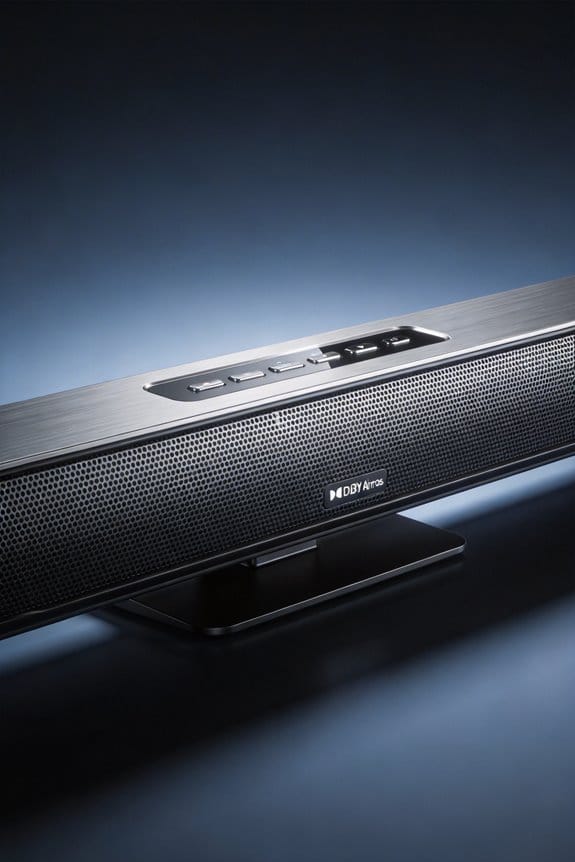
Ever noticed how most surround sound systems only give you sound on a flat plane? It can be pretty underwhelming when you’re trying to immerse yourself in a great movie or game. That’s where Dolby Atmos comes in, and you might find it takes your listening experience to a whole new level.
Dolby Atmos is all about height. This tech doesn’t just dump sound around you; it actually places it in a three-dimensional space. Imagine a helicopter flying overhead or rain falling from the ceiling. Sounds cool, right? With the support for up to 64 unique speaker feeds, audio engineers can put sounds in specific spots, like right above or behind you.
Want the best part? When you compare older formats, like mono or 5.1 surround, to Atmos remasters, you’ll quickly hear the difference. It’s all about direction and placement. You could have dialogue coming from one side of the room while music fills in from another.
So, how do you get in on this? First, check if your sound system supports Dolby Atmos. If it does, try watching a remastered classic to see what the hype’s all about. You might find that it makes a huge difference in how you experience films.
In short, if you’re serious about sound quality, Dolby Atmos could be worth a shot. Are you ready to watch movies in a way you’ve never experienced before?
From Mono to 128 Audio Objects: The Atmos Advantage
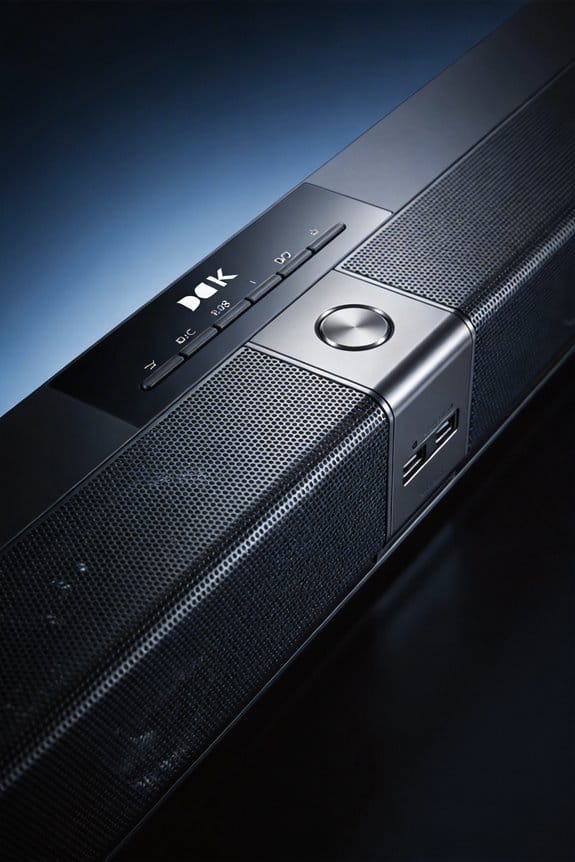
Have you ever watched an old film and felt like something was missing in the sound department? It’s frustrating, right? Well, there’s a neat technology called Dolby Atmos that takes sound to a whole new level, especially when it comes to remastering those classic flicks. First-generation Dolby Atmos throws 128 discrete tracks and 64 unique speaker feeds into the mix. That’s way beyond the old mono limitations.
So, what does this mean for you? When you stack an original mono track against a fresh Atmos mix, the difference is striking. Mono has just one channel, so it can’t offer much in the way of tonal balance or direction. With Atmos, that single source gets transformed into dozens of sound objects, each one placed in a specific spot in three-dimensional space. It’s like bringing your movie experience alive.
Consider how sound engineers can assign individual sounds—like dialogue, music, or effects—to their own dedicated tracks. This separation gives the audio a clarity and precision that the originals simply didn’t have. Imagine the dialogue being crisp, the music soaring, and the effects surrounding you. It’s almost like stepping into the scene rather than just watching it.
Truth is, experiencing an Atmos mix can change how you feel about those old soundtracks. It’s not just about nostalgia; it’s about rediscovering the layers that originally got lost. So, when you sit down to watch your favorite classic, take a moment to appreciate the way it sounds now.
In short, with Dolby Atmos, sound design has evolved significantly, making those remastered films a lot richer. Have you checked out any Atmos mixes for classics yet? If not, it might be time to give your old favorites another spin.
How Engineers Remix Vintage Soundtracks for Atmos
Engineers kick off the remixing process of vintage soundtracks for Atmos by diving into the original recordings, which often come as a single mono or stereo track. It’s pretty impressive to see how they carefully pull apart elements like dialogue, music, and sound effects into separate stems. This lets them play around with each part independently, which can really breathe new life into an old track.
Here’s the trick: once they’ve isolated those sounds, they assign them to one of Dolby Atmos’s 128 discrete tracks. This allows for precise positioning across front, surround, and even ceiling height channels. Imagine having 64 speakers creating a truly immersive sound experience at the same time! That kind of setup can make you feel like you’re right there in the action, rather than just listening to a recording.
Now, let’s talk low frequencies. Engineers make sure that any sounds below 120 Hz are routed to subwoofers, so you don’t miss those deep, rich tones. At the same time, they keep the full-range signals intact from 40 Hz to 16 kHz for the surround arrays. It’s all about keeping that original tonal balance intact while enhancing spatial depth.
Why does this matter? Because it opens up a whole new world for vintage soundtracks, letting you experience them in a fresh way. So, if you’re working with old audio, remember these techniques. They can truly transform your projects, making them sound more vibrant and dynamic.
Why Original Mono Tracks Challenge Modern Upmixing
Have you ever listened to a classic song and wondered why it doesn’t sound as rich as modern tracks? The issue often boils down to the original mono recordings. When these mono tracks try to go through today’s upmixing technology, they reveal some serious limitations due to their one-channel setup.
Here’s the kicker: mono tracks just don’t have tonal balance. You’ll notice things like lacking precision in the sound or missing low frequencies, which can make it tough to create that immersive feeling we crave in surround sound. Sure, systems like Dolby Pro Logic II and DTS Neural:X work hard to create surround audio from these mono sources, but they can’t magically generate new audio information that wasn’t there to begin with.
Now, consider how this affects sound engineers. When they try to spread mono content across a whopping 128 Atmos tracks and 64 speaker feeds, they quickly hit a wall. Why? Because you can’t pull height channel data or exact directional cues from a recording that was captured with a single microphone. This often forces sound teams to either mix new Atmos versions from original stems or come to terms with the fact that upmixed mono tracks can’t deliver that full dome of sound we typically expect from a genuine Atmos experience.
Rocky Horror, Jaws, and Lawrence of Arabia Atmos Upgrades
Ever sit down for a movie night and wish the audio was as epic as the visuals? Well, let’s break down how Dolby Atmos is breathing new life into classic films like Rocky Horror Picture Show, Jaws, and Lawrence of Arabia.
Take the 50th anniversary edition of Rocky Horror Picture Show. The folks behind the remastering spent ten months diving into audio engineering and even scanned the original film cells in 4K with HDR color grading. The nifty Atmos track adds height channels—this means the rain sounds, crowd cheers, and those iconic musical numbers wrap sound around you. It’s like having a live performance in your living room!
Now, let’s talk Jaws. If you’re in the mood for some suspense, this remaster delivers a whole new level. Imagine hearing the shark attacks from all directions, thanks to 128 discrete sound tracks. It gives you those precise underwater sounds and ocean vibes that pull you right into the scene. Want an immersive experience? This is it.
Lawrence of Arabia didn’t just get a facelift; it got a full auditory makeover, too. The Atmos upgrade makes those desert winds sound like they’re really whipping around you, while the orchestral music feels perfectly placed, no matter where you sit. And the battle sequences? They span across all your speakers, including the ceiling, making you feel like part of the action.
So why does this matter? Well, the engineers who worked on these upgrades made sure to keep the original mono tracks alongside the new Atmos mixes. This preserves the filmmakers’ original intent while giving it that modern touch.
If you’re planning a movie marathon, consider checking out one of these remastered versions. You might just find yourself completely immersed in a different way than you ever have before.
In short, these classic films have been elevated for today’s audiences. What classic movie do you think deserves a modern sound upgrade?
When Remasters Should Add Sounds That Weren’t There Before
When it comes to remastering audio for films, there’s a tricky balance to strike. Audio engineers often can’t reach out to directors from the past for their original creative vision. That makes the decision on adding sounds that weren’t in the original mix a tough one.
Here’s the trick: While you might think it’s tempting to sprinkle in fresh elements, the best approach is enhancing what’s already there. For example, if there’s rain in the background, it can be amplified and adjusted to take advantage of newer technologies, like positioning it through height channels. But adding something completely new, like thunder that never existed, crosses a line.
So, why does this matter? The Dolby Atmos process is all about spatially placing sound elements using up to 128 tracks and 64 speakers, which creates a more immersive experience. You should expect engineers to focus on preserving the original soundscape while ensuring the audio still feels fresh and engaging. By sticking to original camera negatives, they honor the film’s true sonic character throughout the remastering.
How Atmos Subwoofers Restore Bass Lost in Original Releases
Have you ever watched a classic movie and felt like something was missing from the sound? A lot of older films didn’t deliver the robust bass we expect today, mainly because of the technology limitations back then. Luckily, with modern Dolby Atmos remastering, the bass that filmmakers intended to hit you right in the feels is now restored.
Atmos subwoofers do a fantastic job of covering the lower frequencies from 31.5 to 120 Hz with great accuracy. This means you get that low-end punch that original mono releases just couldn’t deliver. Imagine sinking into your couch as the sound envelops you, bringing new life to iconic scenes. It’s all about proper bass management, making sure those surround speakers, which often lack a low-frequency range, can still pack a punch.
When you’re watching remastered classics like Jaws or 2001: A Space Odyssey, you really notice the difference. The subwoofer restoration adds tonal balance and precision that the original tracks completely missed. So, if you ever felt those old films were missing something auditory, you’re not alone.
The best part is this system maintains a solid 105 dB continuous capability for those bigger screen speakers, letting you enjoy an immersive experience that pulls you right into the story. Truth is, it’s hard to go back to those quieter soundtracks once you experience the depth that modern tech brings.
Which Classic Film Atmos Remasters Deliver the Biggest Improvement
Now that you know how subwoofers help bring back the bass that’s often missing, you might be curious about which classic films really shine with the Atmos treatment. Let’s talk about a few titles that stand out for their audio improvements.
First up, the 50th anniversary remaster of *The Rocky Horror Picture Show* really takes a giant leap forward from its original mono sound. The difference is like night and day. With all 128 discrete tracks at play, you’ll feel immersed in the music and dialogue in a way you’ve never experienced before.
Another classic, *From Here to Eternity*, enhances its scenes with incredible immersion thanks to careful height channel panning. You might not realize how much these small adjustments can elevate the atmosphere until you hear it for yourself. It pulls you right into the story.
Then there’s *Lawrence of Arabia*. The 4K UHD version showcases how vast landscapes can translate into a real three-dimensional audio experience. Honestly, it brings a whole new depth to the film that makes you feel like you’re right there in the desert.
*Jaws* also benefits from meticulous audio restoration alongside perfect color grading. The combination really pulls you into the suspense, and you’ll appreciate how the improvements work hand-in-hand with the visuals.
So, what’s the secret sauce? These enhancements work best when engineers focus on mixing that respects the original intent of the film. The experience can be magical as mono soundtracks expand to ceiling speakers, surround systems pumping out 105 dB, and subwoofers covering a wide range of frequencies.
Frequently Asked Questions
Does Remastering for Atmos Require Access to Original Film Elements?
Yes, I’d say accessing original film elements is essential. Columbia Classics Volume 3’s restoration from original camera negatives proves film preservation directly impacts audio fidelity. Without source materials, you can’t achieve that authentic, immersive Atmos experience we’re hearing today.
Can Home Theater Systems Replicate the Full Dolby Atmos Cinema Experience?
Home theater systems can’t fully replicate cinema’s 105 dB surround arrays and extensive speaker feeds, but I’ve found modern Atmos setups deliver remarkable sound quality that captures the immersive intent, creating magical experiences at home.
Do Original Filmmakers Approve or Oversee Atmos Remixes of Classics?
Filmmaker involvement varies considerably—some directors actively oversee Atmos remixes while others aren’t consulted. I’ve found remix approval depends on whether the original creator is available and interested, though studios don’t always require their participation for remastering projects.
How Much Does It Cost to Remaster a Classic Film?
I can’t pinpoint exact remastering budget figures, but cost factors include scanning resolution, audio engineering time, and restoration complexity—Rocky Horror’s 10-month process suggests substantial investment for quality results.
Are Original Mono Tracks Preserved Alongside New Atmos Mixes?
Yes, I’ve found that original mono tracks are typically preserved alongside new Atmos mixes. This audio format compatibility guarantees you can experience the film authentically while also enjoying modern immersive sound—it’s the best of both worlds.