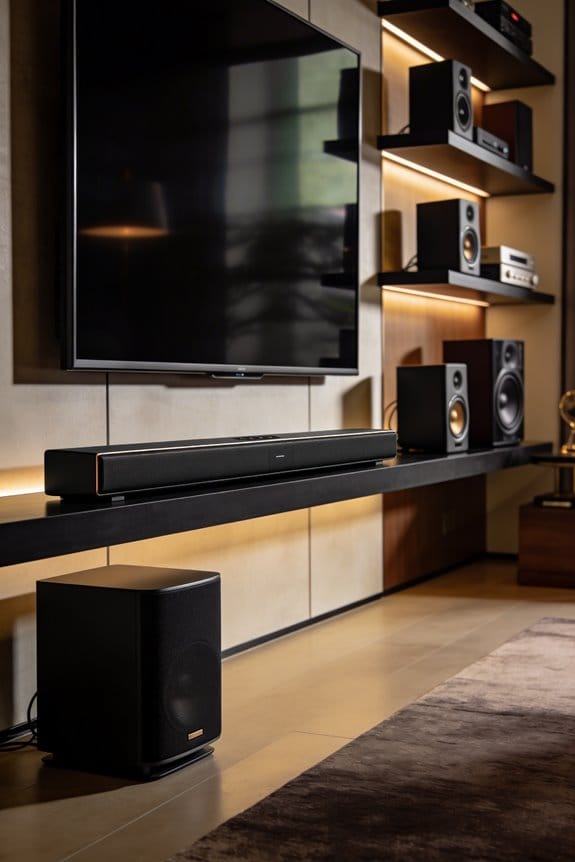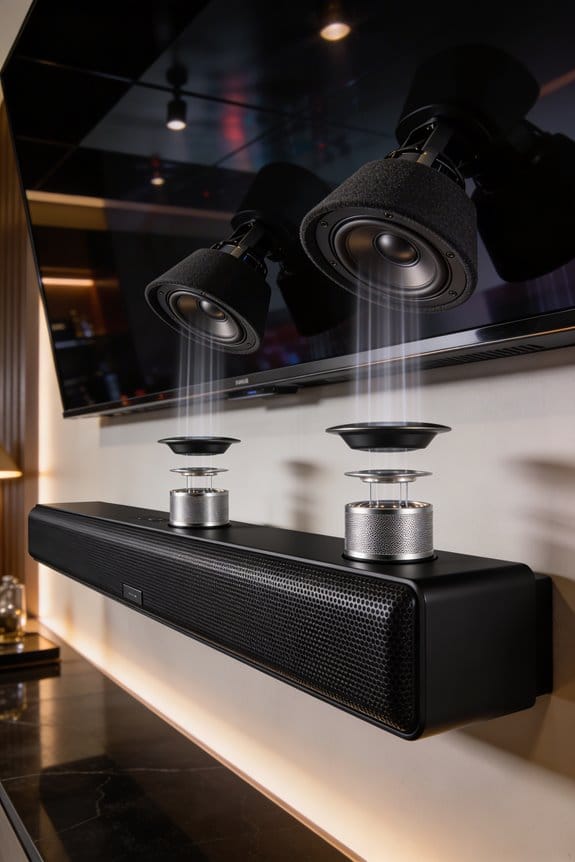

Sony’s Tempest 3D AudioTech uses object-based rendering through a dedicated Tempest Engine to process hundreds of individual audio sources in three-dimensional space, while traditional surround sound relies on channel-based systems with fixed speaker positions like 5.1 or 7.1 configurations. I’ll explain that Tempest processes sound separately from gameplay, utilizes HRTF algorithms for binaural audio through headphones, and eliminates the need for multiple speakers and complex room setups that traditional systems require. The following sections break down how each technology works, when Tempest outperforms speakers, and which PS5 titles demonstrate these capabilities most effectively.
Key Takeaways
- Tempest 3D Audio uses object-based sound processing with a dedicated engine, while traditional surround sound relies on fixed speaker channels.
- Traditional systems require multiple physical speakers in 5.1 or 7.1 configurations; Tempest works effectively with standard stereo headphones.
- Tempest’s HRTF algorithms create precise 360-degree spatial audio without complex equipment setup or room configuration needs.
- Object-based processing allows hundreds of simultaneous audio sources with sharper clarity compared to traditional channel-based systems.
- Tempest separates audio processing from gameplay hardware, ensuring smooth performance while maintaining immersive three-dimensional sound positioning.
What Is Sony’s Tempest 3D AudioTech?
Are you tired of gaming experiences that just don’t immerse you enough? Well, let me tell you about Sony’s Tempest 3D AudioTech, a cool audio system that’s part of the PlayStation 5. It’s designed to make you feel like you’re right in the middle of the action by simulating sounds coming from all around you, creating a truly immersive experience that you can feel in compatible games.
So, what’s the secret sauce? It includes a dedicated piece of hardware known as the Tempest Engine, which is based on a revamped AMD GPU compute unit. This little engine is powerful enough to handle complex sound calculations, allowing for realistic 3D audio in real-time. You won’t just hear sounds; you’ll experience them from what feels like hundreds of different directions.
- This technology takes a big step up from prior PlayStation VR setups, jumping from just a handful of sound sources to potentially hundreds.
- You get more accurate audio positioning thanks to object-based sound, making it easier to locate where noises are coming from compared to older multi-channel systems.
The Tempest Engine works separately from the main processor so that your gameplay stays smooth without interruptions. You might be wondering, why does all this matter? Well, it means you can focus on gameplay without worrying about sound lag or performance dips.
In a nutshell, if you’re into gaming and want a more engaging audio experience, the Tempest 3D AudioTech is worth checking out. It really enhances your connection to the game world. So, are you ready to dive into a more immersive audio experience?
How Does Traditional Surround Sound Work?
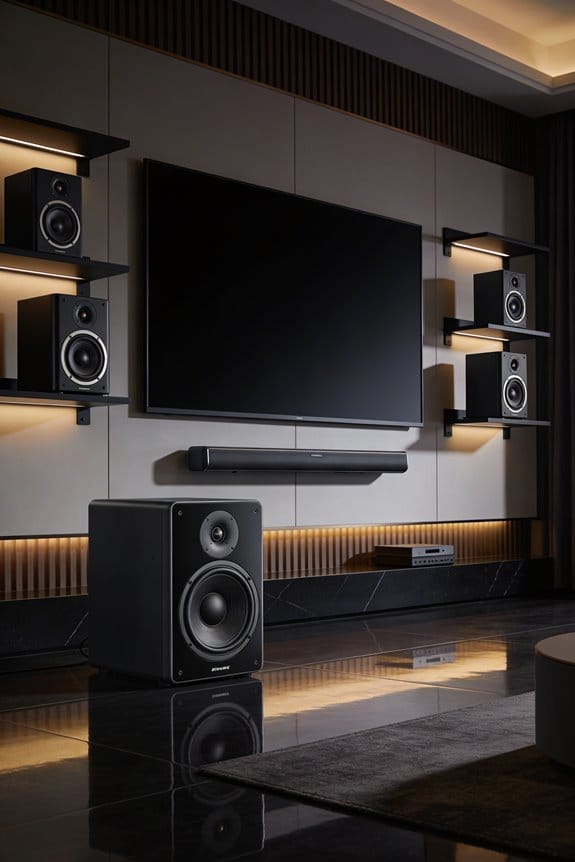
Ever wondered how to make your movie nights feel more like a night at the theater? Traditional surround sound systems can do just that by creating an immersive audio experience right in your home.
These setups usually involve multiple speakers strategically placed around your room, typically in configurations like 5.1 or 7.1. What does that mean? In a 5.1 setup, you get five full-range speakers plus one subwoofer. The five speakers include a center channel for dialogue, front left and right speakers for music and effects, and rear speakers for all those ambient sounds. Switching to a 7.1 system adds two more rear speakers, which gives you even better spatial coverage.
So, how does this work? Traditional audio formats like Dolby Digital and DTS send specific sounds to designated speakers, depending on where those sounds are placed in the mix. You’ll notice how sounds seem to move between speakers, which makes everything more dynamic.
Imagine hearing rain from behind you while you watch a movie. That’s the trick! It creates the illusion of movement and depth within your room, wrapping you in a cocoon of sound.
Want to elevate your audio game even more? Make sure to position your subwoofer correctly, as this can really enhance the low-frequency bass and amplify the overall experience. Honestly, a well-setup surround sound can change how you engage with media.
How Tempest 3D Audio Renders Sound Differently Than Surround Systems
Ever find yourself playing a game and thinking, “Where’s that sound coming from?” It can be frustrating, especially when you’re trying to immerse yourself in the experience. Traditional surround sound systems often leave you guessing, relying on fixed speaker positions to give you directional audio. But there’s a whole new player in town: Tempest 3D AudioTech.
This system takes a different route by treating sounds as individual objects in a three-dimensional space. Instead of assigning sounds to static channels, it processes each sound separately. Imagine rain falling around you—each drop is placed with such precision that it feels like it’s actually happening in your environment. You get a much clearer sense of where sounds originate, rather than just vague directions based on where your speakers are.
What’s really neat is the Tempest Engine. It uses object-based audio to make every sound distinct, helping create the feeling that you’re in the game instead of just watching it. Those little details matter greatly when you want to fully immerse yourself.
Now, let’s talk about how this all comes together. The dedicated sound processing chip uses something called Head-Related Transfer Function algorithms. That might sound technical, but it basically means it can filter sounds so they reach your ears just like they would in real life. Ever notice how some sounds seem closer or further away? That’s due to interaural time and level differences—real science making your gaming experience deeper.
So, why does this matter? Well, it allows you to pinpoint exactly where sounds are coming from in a full 360-degree space. Compared to the more traditional setups like 5.1 or 7.1 systems—which are just trying to deliver sound from fixed points—Tempest 3D Audio offers a level of spatial accuracy that can transform your gameplay.
Why Headphones Deliver the Best Tempest 3D Audio Experience
Have you ever put on headphones and felt completely transported to another world? If you haven’t tried Tempest 3D Audio with headphones, you’re missing out on a sound experience that’s hard to beat. The magic lies in how this technology processes sound for your ears, making it feel like audio is coming from all around you.
The Tempest Engine relies on something called HRTF algorithms to create binaural audio in real-time—fancy talk for making you feel like you’re in the middle of the action. You can connect your headphones via USB or the DualSense controller’s 3.5mm jack, and the best part? You don’t need to buy extra gear.
How does it work? The system does this cool thing where it filters sounds by looking at time and level differences between your ears. Sony’s Pulse 3D headset shines in this area, designed specifically for the Tempest experience, but don’t worry—your standard headphones can still do a great job. It’s all about mimicking natural hearing through stereo channels that trick your brain into identifying where sounds are coming from.
So, did you know that TV speakers were only added later? Even so, headphones are still the go-to for delivering precise spatial audio. If you want to feel every explosion or hear footsteps creeping up behind you, sticking with headphones is the way to go.
In a nutshell, for an immersive audio experience, headphones are king. Have you tried Tempest 3D Audio yet? What do you think makes a great audio experience?
When Does Tempest 3D Audio Beat a Speaker Setup?
How does Tempest 3D Audio compare to a traditional multi-speaker surround sound system? If you’re trying to figure out which one to go for, let’s break down the main differences.
Tempest Advantages Over Traditional Speakers:
Tempest uses an object-based approach to sound, which allows it to simulate tons of precise audio sources at once. Unlike standard surround sound systems that operate on 5.1 or 7.1 channels, Tempest gives you sharper audio clarity. Picture this: you’ll hear each individual raindrop, the crunch of footsteps, or the distinct rattling of bullet casings with astonishing accuracy.
Audio Precision Through Binaural Processing:
Setting up traditional speakers isn’t a walk in the park. It requires careful room placement, sound treatment, and often, a hefty price tag for the equipment. Tempest 3D Audio makes things much simpler. By processing Head-Related Transfer Function data, it works wonders with just a pair of stereo headphones. This means you can experience immersive, 360-degree sound without the hassle of positioning speakers or fine-tuning your room.
So, why does this matter? When you’re after precision in your audio experience, Tempest can really shine. You don’t have to stress about perfect setups; you can just enjoy the audio as it was meant to be heard.
Which PS5 Games Showcase Tempest 3D Audio Best?
When it comes to diving into the world of Tempest 3D Audio on the PS5, you might be wondering which games really shine. Some titles are designed not just to entertain, but to immerse you in a whole new audio experience that enhances gameplay.
Launch Titles
Astro’s Playroom is an excellent starting point. It uses mechanical sounds and environmental effects to showcase spatial positioning. You’ll notice how every little sound, from your footsteps to the tiny interactions, is placed around you. Another standout is Marvel’s Spider-Man: Miles Morales, where the sound design brings the streets alive. The sounds of traffic, voices, and even the rush of speedy movements help you feel like you really are swinging through a bustling New York City.
Enhanced Immersion Games
When we look at Demon’s Souls, the atmospheric sounds in dungeons are downright chilling. You’ll hear echoes bounce off walls and pick up on enemy footsteps, which adds so much to the tension. Then there’s Returnal, which takes it to another level. With hundreds of alien sounds happening all at once, it creates an incredibly real and intense environment. Gran Turismo delivers a different vibe, with engine roars and tire screeches that make you feel like you’re right on the track surrounded by your competitors.
Additional Supported Titles
Other games to consider are Ratchet & Clank: Rift Apart, Horizon Forbidden West, Destruction AllStars, and Sackboy: A Big Adventure. These titles utilize object-based audio rendering, which means you’ll really notice sounds coming from specific directions, enhancing your immersion.
In short, these games are perfect if you’re eager to see what Tempest 3D Audio can do. So, which one will you try first?
Frequently Asked Questions
Can I Use My Existing Gaming Headset With Tempest 3D Audio?
Yes, you can use your existing gaming headset with Tempest 3D audio. I’ve found that any compatible headsets work through USB or the DualSense controller’s 3.5mm jack, delivering impressive audio performance without requiring additional hardware.
Does Tempest 3D Audio Work With Wireless Bluetooth Headphones?
I’ll be straightforward: Tempest 3D audio doesn’t support Bluetooth headphones due to Bluetooth latency issues. You’ll need wired headphones via USB or the DualSense’s 3.5mm jack for full Tempest compatibility and best performance.
How Do I Select the Best HRTF Profile for My Ears?
I’d navigate to PS5’s sound settings and test each of the five HRTF profiles available. I’ll choose whichever sounds most natural to my ear anatomy, as personalized adjustments improve audio perception and immersion based on individual hearing.
Will Older PS4 Games Support Tempest 3D Audio on PS5?
backward compatibility doesn’t automatically enable Tempest for PS4 games. They’ll need specific audio enhancements patched by developers. Most older titles won’t support it unless they’re updated for PS5.
Does Tempest 3D Audio Drain More PS5 Processing Power Than Standard Audio?
Yes, I’ll explain the Tempest performance evaluation: the dedicated Tempest Engine handles audio processing comparison independently, so it doesn’t drain your PS5’s main GPU or CPU resources—meaning no performance impact on gameplay whatsoever.