
Audio engineers create the audio bubble effect by manipulating three elements: interaural time differences between your ears, volume adjustments through panning across stereo channels, and equalization that filters frequencies to simulate distance. I’ll explain how these techniques work together to position sounds in 3D space around your head. Engineers boost high frequencies to make sounds feel closer, reduce them for distance, and use stereo panning to place each element in specific locations. The sections below break down how your brain interprets these cues and how modern spatial audio technologies enhance this immersive experience.
Key Takeaways
- Audio engineers use equalization to adjust frequencies, making sounds feel closer with boosted highs or farther with reduced frequencies.
- Panning techniques position each sound element in specific spots within the stereo field to enhance spatial perception and immersion.
- Engineers manipulate timing, volume, and equalization to leverage the brain’s natural interaural time and level difference detection mechanisms.
- Advanced spatial audio technologies like 360 Reality Audio position sounds in multiple directions, creating three-dimensional soundscapes around listeners.
- Headphones enhance the audio bubble effect through superior sound isolation, precise stereo separation, and proximity to ears.
What Is the Audio Bubble Effect and Why Does It Work?
Ever put on your headphones and totally zone out with your favorite tunes? It’s more than just listening—it’s what researchers call creating an “auditory bubble.” This bubble isn’t just a catchy phrase; it’s your own personal sound world that wraps you up and kicks out outside noise.
You know that feeling when you’re jamming out and it feels like you’re floating in the music? That’s because your brain is manipulating sound in a cool way. Here’s how it works: when you listen to music, your brain picks up on sound frequencies and spatial positioning, which those clever audio engineers mess around with using panning, equalization, and layered effects. This means your brain is interpreting those sounds as if they’re coming from different spots around you, almost like a 3D experience.
So, why does this matter? It’s all about how you engage with what you hear. You can enjoy the music while still being aware of what’s happening around you. It sets up this neat boundary where you can focus internally on the music while also being mindful of your surroundings.
Here’s the trick: next time you put on your headphones, notice how it feels. Are you more focused on the music? Do external sounds seem less distracting? It’s fascinating how this auditory bubble can change your experience.
Honestly, the next time you need to tune out the world, grab those headphones and dive into your favorite playlist. You’ll get lost in the music and find a little peace, even if just for a moment.
In short, creating your own auditory bubble can really enhance your music experience while giving you a break from the chaos outside. What will you listen to first?
How Your Brain Creates 3D Space From Stereo Sound
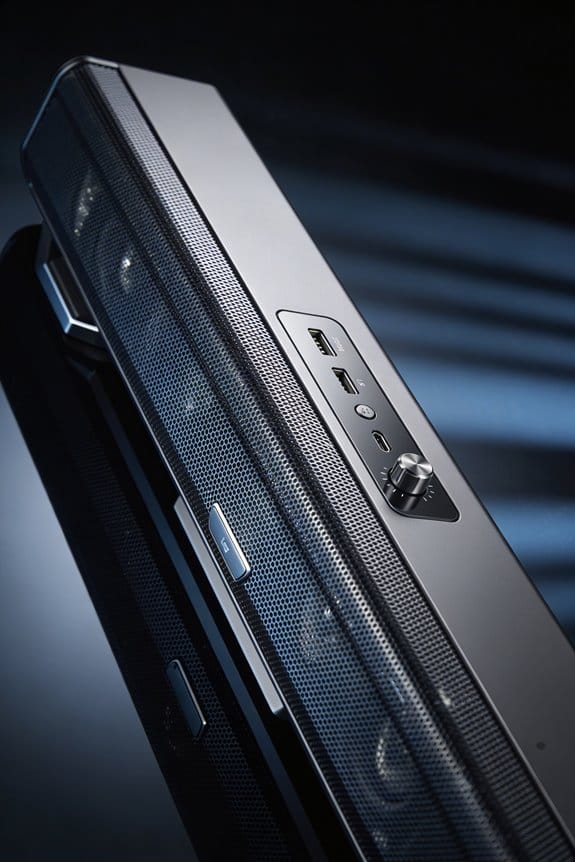
Your brain doesn’t truly hear in 3D, but it’s fascinating how it creates a three-dimensional sound experience. It does this by picking up on tiny differences between what your left and right ears hear. Is it hard to wrap your head around? Think of it this way: the brain uses interaural time differences to measure the slight delays between when sounds hit each ear and interaural level differences to compare how loud those sounds are.
When sound engineers pan audio to the right channel, your brain interprets those timing and volume differences as if that sound is positioned somewhere in space. This ability to locate sounds isn’t just neat—it’s actually an evolutionary trait that helped us avoid danger and find our way in the world.
Plus, your ears’ shapes add another layer to this. They filter frequencies differently, which helps give you a sense of direction about where a sound is coming from. So, what does this mean for you? Well, audio engineers take full advantage of how your brain processes sound by playing around with timing, volume, and equalization across different channels.
Here’s the trick: tuning into these stereo cues can enhance your listening experience, whether you’re enjoying music or trying to immerse yourself in sound design. So, next time you listen to something, consider how your brain’s working hard behind the scenes to create this rich auditory experience.
To recap, your brain is a master at piecing together sound. Now, isn’t it mind-blowing to think about how much is happening in your head while you enjoy your favorite tunes?
How Equalization and Panning Build the Audio Bubble Illusion
Have you ever listened to a song and felt like the instrument was right in front of you while others seemed farther away? It’s not just your imagination; the magic lies in how audio engineers use equalization and panning techniques to create what’s known as the audio bubble illusion.
Equalization Techniques Shape Perceived Distance****
Equalization is a powerful tool that plays with the sounds you hear. Engineers tweak the frequency content to make certain sounds feel closer or farther away. For instance, if you boost high frequencies between 8-16 kHz, you’ll notice that element popping forward in the mix. Conversely, when those high frequencies are reduced, the sound gets pushed back, creating a sense of depth. Each choice can really change how you perceive space in a track, making you feel like you’re in the middle of a lively concert or sitting on your couch with headphones on.
Panning Distribution Creates Directional Placement****
Panning might sound technical, but it’s really about giving every sound its own spot in the stereo field. Imagine a stage in front of you; that’s where pan distribution comes in. You can have vocals front and center, rhythm guitars panned slightly to the sides, say to -40 and +40, while ambient effects can be tossed all the way to the left or right.
So, why does this matter? It’s all about creating an engaging listening experience. The best part is that when done right, you can feel as if you’re right there in the moment, surrounded by the music. No longer do you just hear the sounds; you feel them envelop you.
To sum it up, equalization and panning are essential techniques that help build that immersive audio bubble we all love. Have you ever thought about how the placement of sounds impacts your listening experience?
How 360 Reality Audio Maps Sound Around Your Head
Have you ever listened to music and felt like the sound was just coming from the left or right? It’s a problem a lot of us face with traditional stereo sound systems, which just can’t mimic the way we actually hear. Here’s where Sony’s 360 Reality Audio steps in, and it’s pretty fascinating.
Instead of placing sounds flatly between your ears, this tech creates a 3D sound space around your head. Picture this: every vocal, instrument, and even special effects has its own spot on a sphere that completely wraps around you. When you’re listening, sounds can come from above, below, or even from behind you. It’s like being in the middle of your favorite band’s rehearsal.
Head tracking is a cool feature too. As you move your head, the system adjusts the sound field so that everything stays in place. You’ll notice that the music doesn’t feel like it’s moving away from you—it keeps that immersive quality no matter how you turn your head.
You can enjoy this experience using compatible headphones or speakers. The system knows what you’re using and automatically adjusts the sound based on your equipment.
Truth is, this kind of spatial audio really changes how you connect with your tunes. If you want to enhance your listening sessions, it might be time to dive into this technology.
Which Creates Stronger Audio Bubbles: Headphones or Speakers?
When it comes to crafting that perfect audio bubble, you might wonder whether to go for headphones or speakers. Honestly, it really boils down to how sound makes its way to your ears.
Headphones bring a lot to the table. They give you total control over the audio, cutting out annoying room acoustics that can mess with your listening experience. This means you’ll catch all those lovely spatial effects that audio engineers intended. Plus, with the drivers so close to your ears, you get awesome sound isolation, blocking out external noise while still keeping that beautiful stereo separation between left and right channels.
On the flip side, speakers can have some downsides, especially when you consider how your room’s setup affects sound. Things like room size, wall materials, and even where your furniture is placed can really change how sound waves behave before they reach your ears. To get speakers to come close to what headphones offer, you often need fancy surround-sound systems and some serious room treatment.
So, what’s the takeaway? If you’re looking to dive deep into immersive audio, headphones are probably your best bet. They consistently deliver a solid spatial audio experience no matter where you are, making those audio bubble effects all the more enjoyable.
In the end, whether you choose headphones or speakers, think about the kind of experience you want. What’s your go-to choice for at-home listening?
How Audio Bubbles Change Your Awareness of Surroundings
Ever find yourself lost in a sea of distractions, struggling to focus? That’s where audio bubbles come into play. They can seriously change how you process your environment.
When you slip into an audio bubble, your brain shifts gears. It starts to pull in fewer outside sounds, focusing more on the music you’re listening to. With headphones on, you create a little cocoon around yourself. This isolation dims any visual distractions and lets you dive deep into the music, almost like it’s a soundtrack to your thoughts.
You might notice your awareness fluctuating between being super wrapped up in the music and still catching a bit of what’s going on around you. Some tracks, especially those with heavy equalization and panning effects, can really pull you away from your environment. But here’s the thing: when the production of a song meshes well with sounds from your surroundings, you can feel that boundary fade. Suddenly, you’re combining the sounds in your bubble with the real world outside.
So, why does this matter? It gives you the ability to choose where your focus goes. Maybe you need a break from reality, or perhaps you want to stay connected to what’s around you while enjoying your favorite tunes.
Truth is, finding the right balance in sound can significantly enhance how you experience your day-to-day life. Experiment with different tracks and see what works best for you. You might find some surprising favorites along the way. What’s your go-to playlist when you want to zone in or out?
Frequently Asked Questions
Can Audio Bubble Effects Damage Hearing With Prolonged Headphone Use?
I haven’t found evidence that audio bubble effects themselves cause hearing damage. However, I’d warn you about headphone safety—prolonged sound exposure at high volumes damages hearing regardless of audio effects used. Keep your volume moderate to protect your ears.
Do Different Music Genres Create Stronger or Weaker Audio Bubble Experiences?
Yes, music genre impact considerably affects audio bubble intensity. I’ve found that electronic, ambient, and classical music create stronger immersive experiences through layered production, while acoustic or minimalist genres typically produce weaker effects due to simpler soundscapes and less spatial manipulation.
How Much Does Headphone Price Affect Audio Bubble Quality Perception?
I’ve found that headphone quality matters more than price for audio bubble perception. While expensive models often deliver better spatial detail, mid-range headphones with good frequency response can create compelling audio perception if they’re well-designed.
Can People With Hearing Impairments Experience the Audio Bubble Effect?
I’d say it depends on the specific impairment. Some individuals can experience modified audio bubbles through bone conduction or cochlear implants, which alter sound perception. However, reduced auditory feedback may limit the immersive spatial effects that fully hearing listeners experience.
Do Wireless Headphones Reduce Spatial Audio Quality Compared to Wired Models?
Like water flowing through different pipes, audio quality varies by pathway. Yes, I’ve found wireless headphones can diminish spatial precision through sound compression and wireless latency, though premium Bluetooth codecs increasingly minimize these differences for most listeners.