Dynamic Range Mismatches: Why Explosions Are Deafening and Whispers Are Quiet
Blockbuster films mix audio for theaters with 120+ dB range, but your TV handles only 60-90 dB, creating frustrating volume swings.

Blockbuster films mix audio for theaters with 120+ dB range, but your TV handles only 60-90 dB, creating frustrating volume swings.

Learn which connection prevents audio dropouts in your home theater—the answer isn't what most people expect.
Streaming FLAC audio demands massive bandwidth exceeding 4,600 kbps, creating buffering nightmares that reveal why most services still can't deliver true lossless quality.
Most Bluetooth codecs compress audio differently, drastically changing what reaches your ears—but which one actually matters for your headphones?
Inferior codecs and bandwidth-first design make YouTube Music sound noticeably worse than Spotify Premium—but there's more to this story.
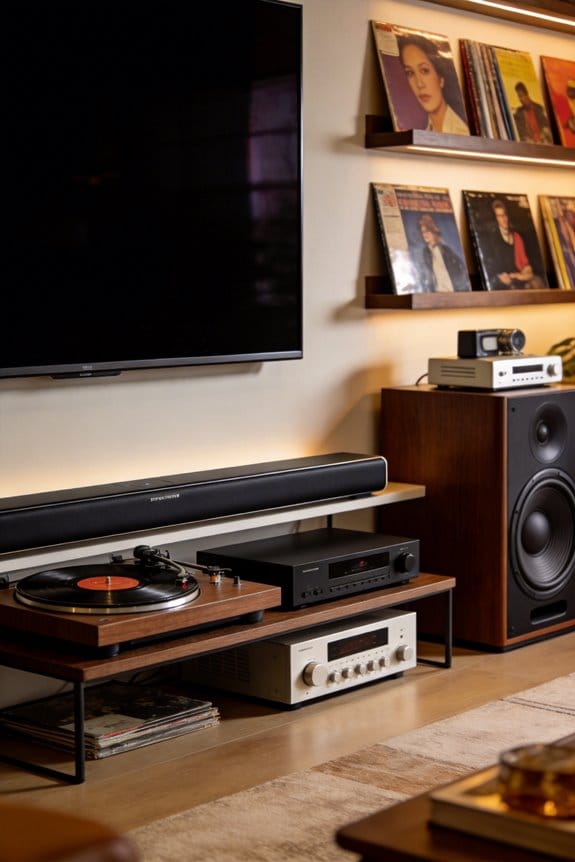
Beyond the analog warmth lies a shocking truth about how your soundbar's digital processing fundamentally transforms every groove on your vinyl records.
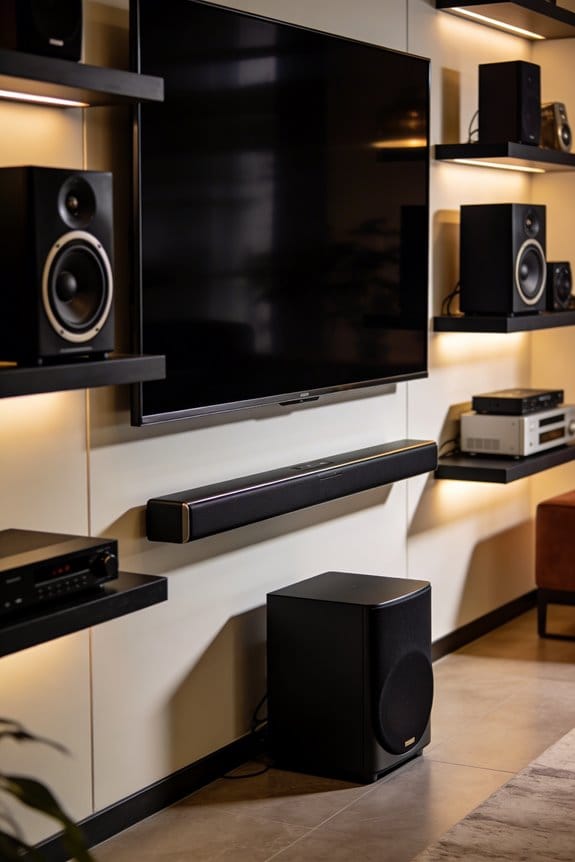
Platforms like Netflix and Disney+ strip away studio-quality audio details through 10:1 compression—discover which frequencies and textures vanish from your streams.
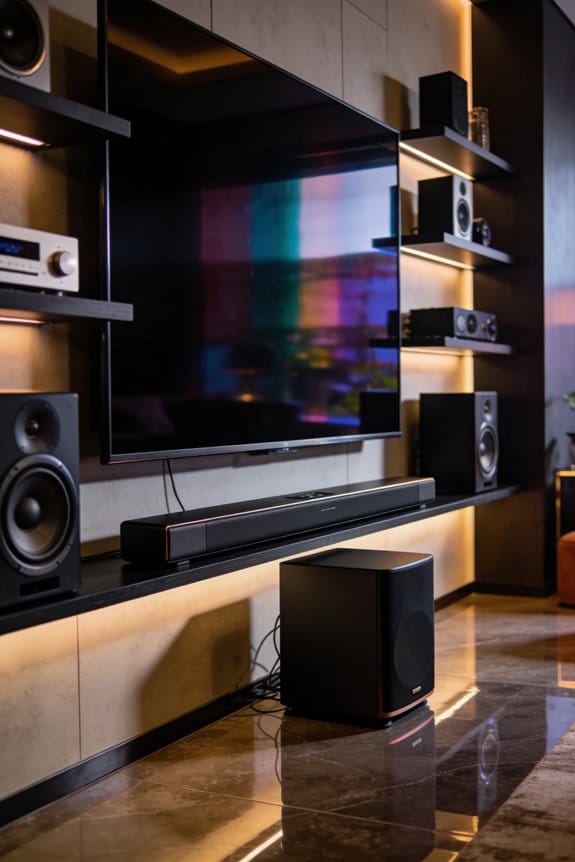
Home theater audio latency from receivers, Bluetooth, and conversions creates frustrating lip-sync problems—discover which delay is ruining your viewing experience.
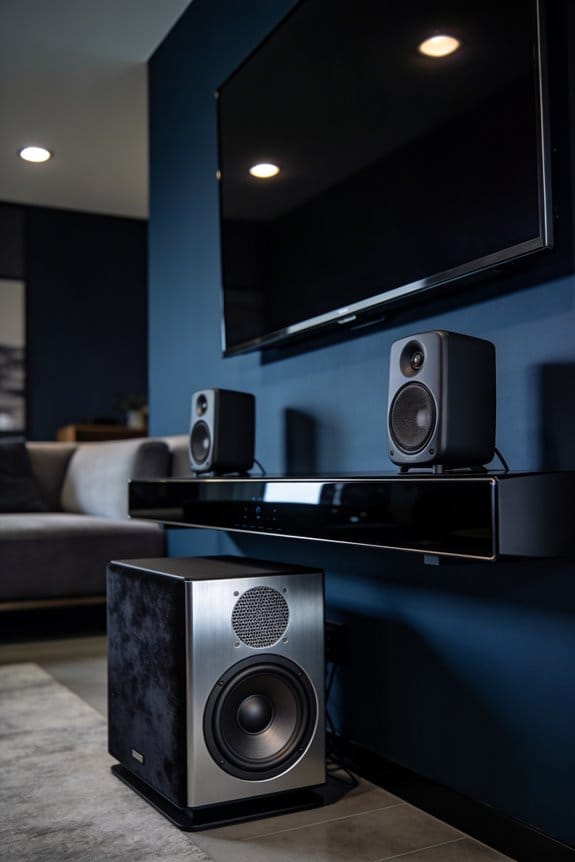
Knowing WiSA delivers 24-bit/96kHz audio with mere 2.6ms latency sounds perfect, but critical limitations might change your mind.
Just how much audio quality are you sacrificing at 128kbps, and will your speakers even reveal the difference?